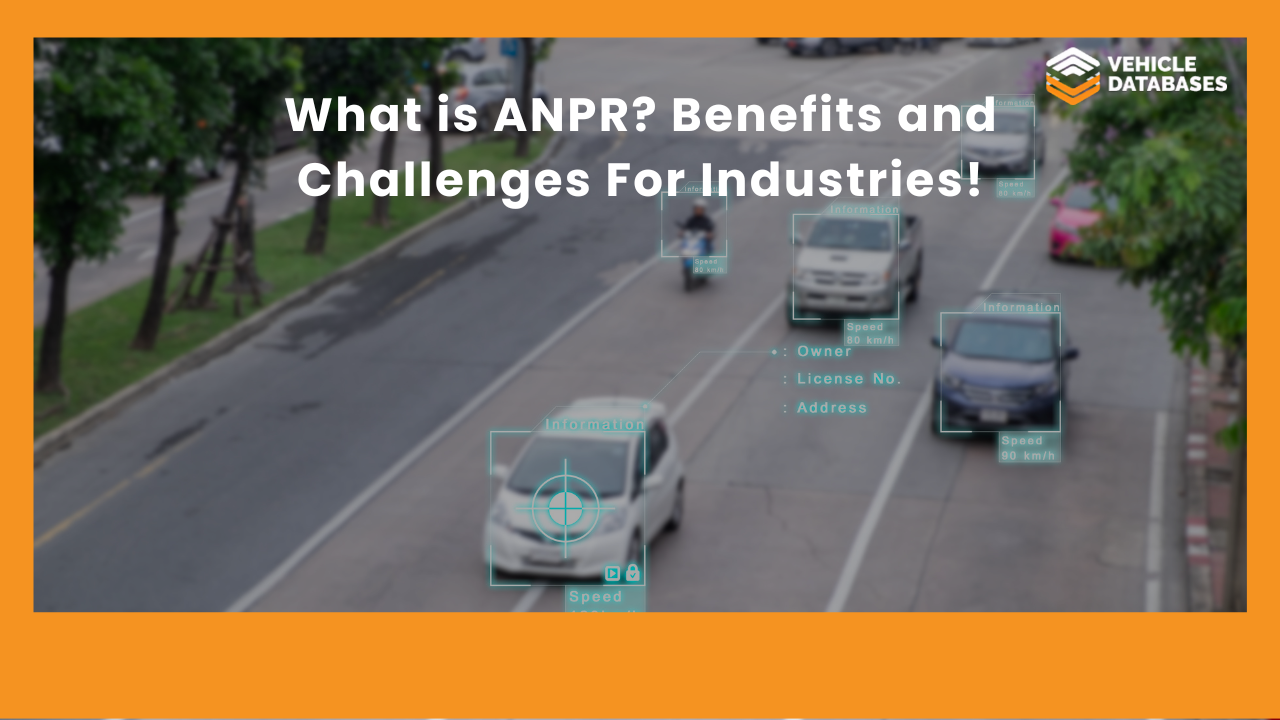
If you drive through a toll road, enter a gated community, or park in a modern city garage, there is a good chance your license plate has already been scanned by an ANPR system. You may not notice it. There is no flash.
No barrier operator. No paperwork. Just a camera, a bit of software, and your license plate number quietly turning into usable data.
That is the power of Automatic Number Plate Recognition.
The truth is, ANPR is no longer limited to police cars or highway enforcement. It is now part of smart cities, parking systems, logistics hubs, and fleet management platforms. Businesses are even integrating ANPR API and license plate recognition API tools directly into their applications.
So what exactly is it? How does it work? How accurate is it? And what does the automatic number plate recognition market look like right now?
Let’s break it all down properly.
Key Takeaways
- ANPR (Automatic Number Plate Recognition) uses cameras and OCR software to read license plates automatically and convert them into usable digital data.
- Modern ANPR systems can operate in real time and integrate with databases, parking software, fleet platforms, and security tools through APIs.
- The automatic number plate recognition market is growing fast due to smart cities, automation in parking, law enforcement demand, and logistics tracking needs.
What Is ANPR?
Before we get technical, let’s start simple.
ANPR meaning: ANPR stands for Automatic Number Plate Recognition. In some regions, especially the United States, it is called ALPR, which means Automatic License Plate Recognition. Different name, same core idea.
In plain terms, what is ANPR?
It is a technology that uses cameras and optical character recognition software to automatically detect, read, and record vehicle license plate numbers.
Instead of a person manually typing a plate into a system, the ANPR system does it instantly. The camera captures an image. The software isolates the plate. The characters are extracted and converted into digital text. Then that data can be stored, compared, or trigger an action.
It sounds simple, but the process behind it is surprisingly sophisticated.
READ ALSO: Developing Automatic License Plate Recognition using OCR API
A Brief History of ANPR Technology
The roots of ANPR can be traced back to 1976 in the United Kingdom, where it was first invented by the Police Scientific Development Branch (now the Home Office Scientific Development Branch) for the easy identification of vehicle registration numbers on license plates through cameras and CCTV.
The first systems were produced for use in 1979, and the first arrest linked to ANPR detection of a stolen vehicle occurred in 1981. Since then, ANPR has evolved into a standard traffic control and law enforcement technology in many countries worldwide.
How Does an ANPR System Work?
ANPR systems work by capturing high-resolution images of vehicles using specialized cameras. These images are then processed by software algorithms that locate the license plate, identify the characters, and use OCR to convert the plate number into text.
In short, these are the key steps in the ANPR process:
Step 1: Image Capture
An ANPR camera captures an image of a vehicle as it passes by. These cameras are usually high resolution and often include infrared illumination. That infrared capability is important because it allows the system to work at night and in poor lighting.
The camera does not just snap random photos. It is tuned to capture plates clearly, even at speed.
Step 2: Plate Detection
Once the image is captured, the system identifies the area in the image where the license plate is located. This is called plate localization.
Advanced systems use machine learning models to distinguish the plate from the rest of the vehicle. Reflections, dirt, or unusual angles can complicate things, so the detection stage is critical.
Step 3: Character Segmentation
After the plate area is isolated, the system separates each character individually. Think of it like slicing the plate into small, readable pieces.
Step 4: Optical Character Recognition
This is where OCR technology comes in. The system analyzes each segmented character and converts it into digital text.
For example, a physical plate that reads “ABC 1234” becomes a structured text string inside the system database.
Step 5: Database Matching and Action
Now the interesting part.
The recognized plate can be compared against:
- Stolen vehicle databases
- Parking permit lists
- Toll payment systems
- Fleet tracking systems
- Access control lists
Based on the result, the system may:
- Open a barrier
- Send an alert
- Log an entry time
- Trigger a payment process
All of this can happen in seconds. Sometimes even milliseconds.
READ ALSO: How Does License Plate Recognition Work?
Types of ANPR Cameras
Not all ANPR cameras are the same. Choosing the right one depends on the environment.
Fixed ANPR Cameras
These are mounted in one position, usually at:
- Parking entrances
- Toll booths
- City intersections
- Facility gates
They monitor a specific area continuously.
Mobile ANPR Cameras
These are often mounted on police vehicles or enforcement cars. They scan plates while moving. That allows law enforcement to identify vehicles in traffic without stopping them.
Integrated CCTV ANPR
Some surveillance systems now integrate automatic number plate recognition directly into broader security camera networks. This is common in large commercial properties and logistics centers.
Features That Matter
When evaluating an ANPR camera, look at:
- Resolution
- Infrared capability
- Frame rate
- Weather resistance
- Wide dynamic range
Higher quality hardware improves overall system accuracy. Cheap cameras lead to misreads. That is just reality.
What Is an ANPR API or License Plate Recognition API?
Hardware is only half the story. The software side is where things get powerful.
An ANPR API, or license plate recognition API, allows developers to integrate plate recognition capabilities into their own applications.
In simple terms, an API acts as a bridge.
Instead of building a full recognition engine from scratch, developers send images or video frames to the API. The API processes the plate and returns structured data such as:
- Plate number
- Timestamp
- Country or region
- Confidence score
- Vehicle make and model if available
This allows integration with:
- Parking management apps
- Fleet tracking dashboards
- Security monitoring systems
- Traffic analytics platforms
If you want to get started with the ANPR technology but don’t know where to start, Vehicle Databases offers a License plate OCR API that can be integrated into your systems to get you started with this piece of technology almost instantly.
Our license plate recognition API is designed to recognize license plates in images and extract relevant information with impressive accuracy. With the API, you can get the following:
- License plate number
- Vehicle’s state in seconds
No matter what industry you are in, if you need a solution for accurate license plate recognition and capture, this API is for you. Sign up now and enjoy 15 free credits to try out our APIs. You can also book a demo to discuss your business use case.
Key Applications of ANPR
The real power of ANPR (Automatic Number Plate Recognition) shows up in how widely it’s used. This is not just traffic tech. It’s infrastructure tech.
Let’s look at where ANPR systems are actually being deployed today.
Law Enforcement and Traffic Monitoring
This is the most well-known application.
Police vehicles and roadside ANPR cameras scan plates automatically while driving or monitoring traffic. The system compares the plate number against databases in seconds.
In law enforcement, it can help identify:
- Stolen vehicles
- Unregistered vehicles
- Vehicles linked to investigations
- Traffic violations
Instead of manually running plates, officers receive automated alerts in real time. That speeds up enforcement and reduces human error.
ANPR Parking Systems
Parking is one of the fastest growing use cases for automatic number plate recognition.
Instead of issuing paper tickets or relying on RFID cards, the vehicle’s plate becomes the identifier.
Here’s how ANPR parking typically works:
- Plate scanned on entry
- Entry time logged
- Plate scanned on exit
- Fee calculated automatically
No ticket. No token. No friction.
Airports, shopping centers, hospitals, universities, and residential complexes are rapidly adopting this model because it reduces queues and operating costs.
Tolling and Congestion Charging
Highways and urban congestion zones use ANPR systems to identify vehicles for billing.
Rather than stopping at toll booths, vehicles pass through gantries equipped with ANPR cameras. The system logs the plate and connects it to a payment account.
This improves traffic flow and reduces physical infrastructure costs.
Fleet Management and Yard Operations
For logistics companies and transport operators, vehicle tracking is critical.
Using ANPR data, fleet managers can:
- Track vehicle entry and exit times
- Monitor unauthorized vehicle movement
- Verify route compliance
- Improve depot security
When integrated through an ANPR API, plate reads can feed directly into fleet management dashboards.
This reduces manual logging and improves accountability.
Access Control and Perimeter Security
Gated communities, corporate campuses, industrial facilities, and government buildings increasingly rely on automatic number plate recognition for controlled access.
Instead of issuing physical passes, systems can:
- Allow pre-approved vehicles
- Flag blacklisted plates
- Log visitor entries automatically
This creates a digital audit trail without requiring guards to manually record information.
Smart Cities and Traffic Analytics
In modern smart city projects, ANPR systems feed data into broader traffic intelligence platforms.
Aggregated plate data helps analyze:
- Traffic density
- Travel patterns
- Congestion trends
- Peak movement hours
When used responsibly and within privacy regulations, this data supports better infrastructure planning.
Benefits of ANPR Systems
Automated Number Plate Recognition (ANPR) systems offer a range of benefits, but they also have their share of challenges. They are:
Highly accurate vehicle identification
You can trust ANPR systems to deliver when it comes to identifying license plates and their characters. The Police, DVSA, and local authorities are now entirely dependent on ANPR because of its accuracy.
24/7 operation without human intervention
The A in ANPR stands for automatic, which means it doesn’t need human intervention to do its job. This saves several businesses time that can be used in other business activities.
Ability to monitor large traffic volumes
Number plate recognition and recording take time. It takes even more time if you need to send penalty notifications to people who break traffic laws. With ANPR solutions, industries can manage large volumes efficiently.
Quick response times to criminal activity
One of the fantastic benefits of this system is its extremely fast response time to criminal conduct, theft, etc. This makes it easy for criminals to be intercepted, and the law remains unbroken.
Challenges of ANPR Systems
Now let’s find out about the challenges that come with ANPR systems
Controversy
Many people don’t like the idea of machines issuing speeding tickets or accusing them and not even getting to confront their accusers since machines are responsible. Others are worried about their data being stored in databases and the safety of the data once mined. This poses a huge challenge in the ANPR field.
Vulnerability to plate masking techniques
One major challenge is vehicle owners or criminals trying to evade ANPR systems by making license plate characters less readable or identifiable. They try to reduce the reflective properties of the plates by using plate covers, sprays, or any other means they can think of to mask the plate, which is a big challenge.
Limitations in low light or poor weather conditions
ANPR has high accuracy, no doubt, but in low light or poor weather conditions, it becomes challenging to identify license plates and numbers.
Plate inconsistency
Many ANPR systems are trained to match plates from a single region and may fail to identify plates from other areas. Using a specific ANPR system/brand in several states and countries may provide inaccurate results, which is challenging.
The Automatic Number Plate Recognition Market
The automatic number plate recognition market is no longer niche technology. It is now a multi-billion-dollar global industry.
Recent industry reports estimate the global ANPR system market at roughly USD 3.7 to 3.8 billion in 2024, with projections reaching between USD 8.5 and 9.3 billion by the early 2030s. That represents an average annual growth rate of around 9 to 10 percent.
North America currently holds the largest market share, accounting for roughly 38 percent of global revenue, while Asia Pacific is expected to grow the fastest over the next decade due to smart city investments and expanding transportation infrastructure.
What is driving this growth?
- Expansion of smart city projects
- Increased demand for automated traffic enforcement
- Growth of ANPR parking systems
- Rising adoption of ANPR API and license plate recognition API integrations
In simple terms, governments want smarter roads. Businesses want automated access control. And operators want fewer manual processes. ANPR systems sit right at the center of that shift.
What Data Can You Get From a License Plate Number?
By itself, a plate is just an identifier. But when connected to authorized databases, it can be linked to:
- Vehicle make and model
- Year of manufacture
- Registration status
- Insurance status in some jurisdictions
- Inspection records
- Stolen vehicle alerts
In fleet management, plate data can connect to internal systems that show maintenance schedules, assigned drivers, and usage history.
It is important to understand that access to sensitive data is regulated. Not all users can legally retrieve owner information. That depends on local privacy laws.
Privacy Regulations and ANPR Data Management
This is where things get serious.
Because ANPR collects vehicle movement data, privacy laws regulate how that data is stored and used.
Regulations vary by country and region but generally include:
- Data retention limits
- Restrictions on sharing information
- Transparency requirements
- Secure storage standards
Organizations deploying automatic number plate recognition must ensure compliance with local data protection laws.
Failure to do so can result in legal penalties and reputational damage.
Final Thoughts on ANPR
ANPR has quietly become part of modern infrastructure. From parking garages to smart highways, from fleet depots to security checkpoints, automatic number plate recognition keeps traffic flowing and systems automated.
It is fast. It is scalable. And when implemented correctly, it is highly accurate.
As the automatic number plate recognition market continues to grow, integration through ANPR API and license plate recognition API platforms will only become more common.
If you are working in transportation, security, parking, or fleet operations, this is not technology to ignore. It is already shaping how vehicles are identified and managed every single day.
Frequently Asked Questions About ANPR
How does ANPR (Automatic Number Plate Recognition) work?
ANPR works by using specialized cameras to capture vehicle plate images, then applying optical character recognition software to convert the plate into digital text. The recognized plate number is compared against databases and can trigger automated actions such as opening gates or generating alerts.
What is the accuracy of ANPR systems?
The accuracy of ANPR systems typically ranges from 90 to over 95 percent under good conditions. Accuracy depends on camera quality, lighting, vehicle speed, and software algorithms.
What are the best ANPR cameras or software?
The best ANPR cameras or software depend on your specific use case. High-resolution cameras with infrared capability combined with advanced AI recognition software usually deliver the strongest results.
How can I integrate ANPR data into my application?
You can integrate ANPR data into your application by using an ANPR API or license plate recognition API. These APIs allow your system to send images and receive structured plate data that can be used for parking, fleet, or security workflows.
Is there an API for license plate recognition?
Yes, there is an API for license plate recognition. We provide a dedicated License Plate Recognition API that allows developers to extract plate numbers from images using OCR technology and integrate the results directly into web or mobile applications.
Our API is designed for instant processing and can be used in parking systems, fleet platforms, security tools, and vehicle verification workflows.
What data can you get from a license plate number beyond the plate?
From a license plate number, you can potentially retrieve the vehicle make, model, year, registration status, and alert flags depending on database access and legal permissions.
How is ANPR data used in fleet management or security?
ANPR data is used in fleet management or security to monitor vehicle access, track movement times, detect unauthorized use, and maintain accurate entry and exit logs.
What are the privacy laws regarding ANPR data?
Privacy laws regarding ANPR data vary by region but typically regulate how long data can be stored, who can access it, and how it must be protected.
Can ANPR systems read plates in real time?
Yes, ANPR systems can read plates in real time. Modern systems process images instantly and trigger automated responses within seconds.
What’s the difference between ANPR and ALPR?
The difference between ANPR and ALPR is mainly regional terminology. Both refer to the same automatic plate recognition technology.