Buying a used car is inherently risky, but the one non-negotiable step is verifying the vehicle’s history before signing anything. Too many buyers overlook the importance of the title, assuming the seller’s word is good enough, only to find out later they bought a headache with a salvage brand or an unreleased lien.
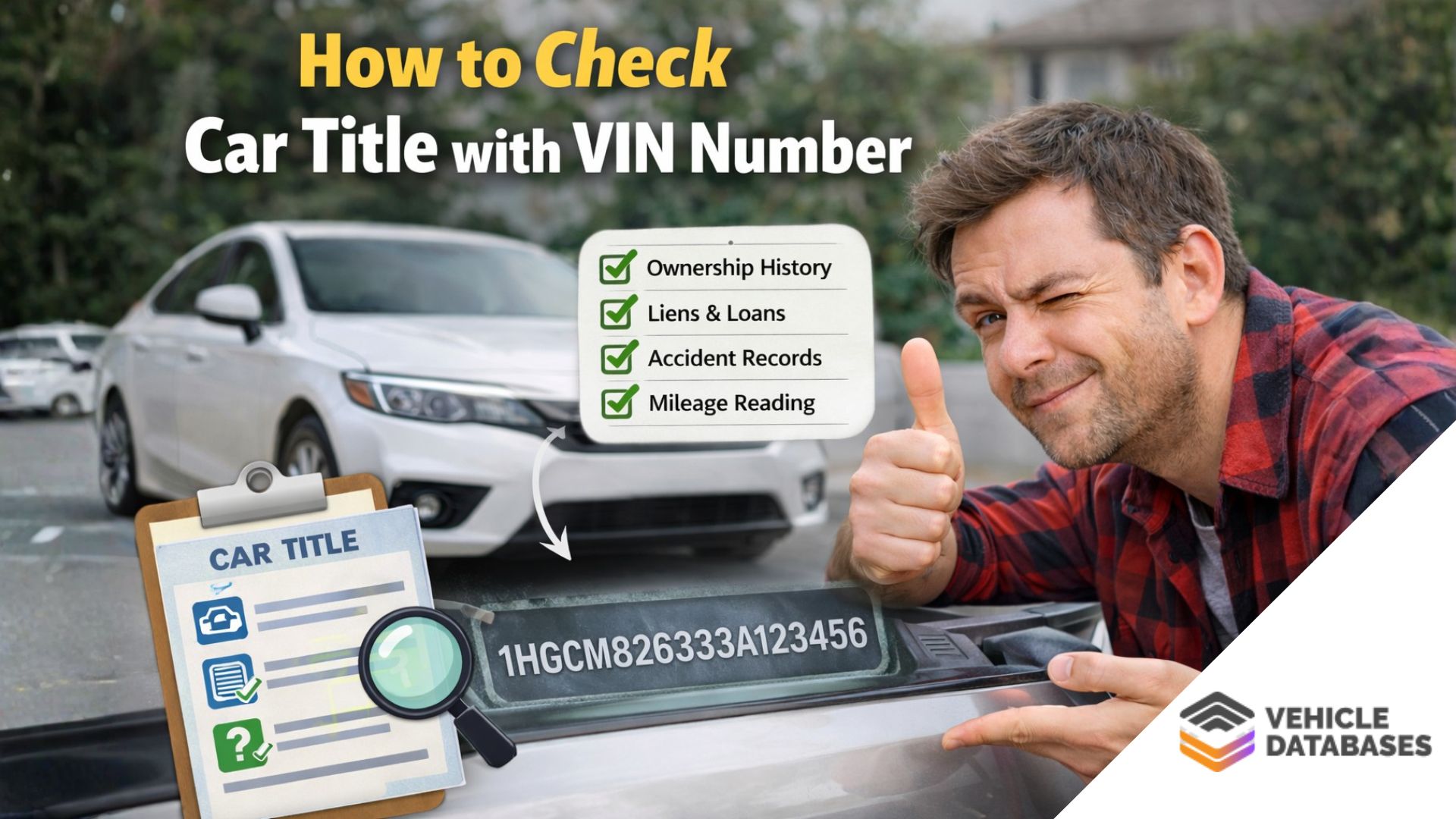
In this article, we’ll show you the precise steps on how to check car title with VIN number, ensuring you get a clean, accurate history every single time.
Key Takeaways
- Consistently verify the VIN on the vehicle, the title, and the history report. Any inconsistency is a warning sign that requires you to promptly back out of the transaction.
- The VIN check exposes costly title brands, such as Salvage, Flood, or Junk, which significantly lower a vehicle’s resale worth, insurance qualification, and general safety rating.
- A thorough examination of the physical document title is essential to detect any residue from modified information or outstanding liens that the seller has not yet resolved.
What is a Car Title?
Before you even start checking the VIN or running reports, it helps to be clear about what the title really is. A car title is the legal document that proves who owns the vehicle. Nothing matters more during a used-car purchase because, without a proper title, you can’t legally register, insure, or resell the car.
Key details you’ll find on a car title
- The legal owner’s name
- Any lienholder that still has a financial claim on the vehicle
- The VIN and basic vehicle information such as year, make, and model
- Title brand notes like salvage, rebuilt, flood, junk, lemon, or fire
Why Checking the Car Title by VIN Matters More Than Most People Realize
Before jumping into the steps, it helps to understand why this matters so much. A car can look spotless, drive beautifully, and still carry a title problem that turns your great deal into a nightmare later.
What Those Title Brands Really Mean for You
A clean title means the car has not been declared a total loss by an insurance company. Once major damage occurs, the state issues a title brand, which forever changes the car’s worth and legal standing. You simply don’t want to skip this verification.
The truth is, title fraud is still widespread, especially with vehicles moved across state lines to wash away these records. Some common title brand records are
Salvage
The car was declared a total loss by an insurance company, usually because repair costs exceeded a certain percentage of its value.
Rebuilt/Reconstructed
A vehicle previously branded as salvage that has been repaired and passed a state-level inspection. Don’t confuse this with “clean.”
Flood
The car sustained extensive water damage. Frankly, you’re just asking for long-term electrical and mold issues down the line with these vehicles.
Junk
The car is not roadworthy and is usually sold for parts or scrap only; it cannot typically be registered again.
Lemon
The car had recurring, unfixable mechanical issues within a certain period after being sold new.
READ ALSO: Branded Title vs Salvage Title: Key Differences Explained
How Does a VIN Help With a Car Title Check
The Vehicle Identification Number, or VIN, is the 17-character fingerprint of the car. It tells you everything: the manufacturer, the country and plant it was built in, the model year, the engine type, and, crucially, the specific serial number that links to its history records.
Finding the VIN on the Vehicle
Before you run any checks, make sure the VIN printed on the title is the same one you see on the car itself. You should look in a few spots.
- On the dashboard near the windshield
- Inside the driver’s door jamb
- Stamped on the engine or the firewall
- Printed on the title, insurance card and registration
If any number or letter looks different, stop right there. Even one mismatch is a sign something is wrong. People who try to pass off stolen or tampered vehicles often attempt a quick VIN swap and it rarely looks perfect.
Scratched paint, loose rivets or a plate that looks newer than the surrounding area are all hints that should make you step away. Trust your eyes. If something feels off, you are probably right.
Step by Step: How to Check Car Title with VIN Number
Now let’s walk through the full process in a smooth, logical order. By the time you finish these steps, you will have a clear picture of whether the title is clean or hiding something.
1. Confirm the VIN Matches Everywhere
Start by matching the VIN on the vehicle to the VIN on the title and the VIN on the registration. If even a single character is off, pause right there. This mismatch can indicate fraud, stolen status, or clerical issues that will later block registration.
2. Run the VIN Through Title and History Databases
While many reputable services exist, they generally fall into two categories: the industry standard and the more affordable alternatives. The key is ensuring the provider is pulling data from the National Motor Vehicle Title Information System (NMVTIS), which is mandated by federal law.
a. Free, Initial Check Tools
Frankly, when you’re comparing five or six cars online, paying for every single report just isn’t cost-effective. Many trusted providers offer a free VIN check that provides a crucial snapshot, often including the last-reported title brand and basic specifications. Use these for your initial screening.
- Use them to: Quickly rule out cars with immediate red flags, like a Salvage or Junk brand.
- Compare: Run the same VIN through two different free services to cross-check the title status.
- Understand the Limit: Free checks rarely include detailed service records or every minor accident report. They are a starting point, not the final word.
b. Paid, Comprehensive Services
These reports, which you might pay forty or fifty dollars for, provide the most depth. They are ideal when you’ve narrowed your search down to one or two serious contenders. They generally include maintenance records, detailed accident specifics, and every past ownership record.
- Look for: Detailed accident reports, including severity and airbag deployment history.
- Expect to see: Odometer history with specific date/mileage readings to spot potential rollback fraud.
- Verify: A clear statement of the current title brand status (Clean, Salvage, etc.).
A very good and affordable recommendation would be Instant VIN Reports. Here’s a sample report showing a vehicle with title brand records and other damages.
Analyzing the Title Status Records
Once you have your report, the analysis begins. This isn’t just about seeing the word “Clean”; it’s about looking at the dates, the states, and the chronology of events. A clean title that was issued in a new state just six months ago, after the car spent ten years in a flood-prone area, should raise a flag for you.
The Three Main Title Risks to Spot
You need to keep an eye out for three specific danger zones that can cost you thousands in repairs and resale value. This is where your vigilance pays off.
Title Washing
This happens when a car with a major brand (like Salvage) is retitled in a state that doesn’t recognize or transfer that specific brand, resulting in a seemingly clean title. The history report is your best defense here.
Lienholders
A title with an unreleased lien means the previous owner still owes money to a bank or financial institution. If you buy the car, you could become responsible for that debt. Make sure the title report clearly shows the lien has been satisfied or that the seller can produce a release letter.
Odometer Discrepancy
The title record shows the mileage recorded when the title was issued. The report will compare that to the current mileage you see and all other recorded data points. A jump in mileage followed by a drop is a sure sign of fraud.
READ ALSO: Best Free VIN Check Sites for Car Buyers and Sellers (2025)
Physical Verification of the Paper Title
A clean history report is necessary, but it is not sufficient. You must inspect the actual paper title (or electronic equivalent) the seller provides. A sophisticated scammer might present a perfect report while still trying to pass off a forged or incomplete document.
Key Physical Checks for the Title Document
When the seller hands you the title, take a minute. It’s a legal document, and you should treat it as such. Look for any irregularities, smudges, or signs that information has been lifted or changed.
- Seller’s Name: Does the seller’s name exactly match the name listed as the legal owner on the title? If the seller is “selling it for a friend,” walk away immediately.
- No Open Spaces: Ensure the seller has not signed the back of the title but left the “Buyer’s Name” space blank. This is called “title jumping” and is illegal; it leaves you without a clear paper trail.
- Title Condition: Look for water damage, sticky residue, or faded ink. A title should look like an official document, not something that was left in the rain.
- Lien Release Section: On the front or back, there will be a section for the lienholder. It should be signed, dated, and officially stamped to show that any previous loan has been paid in full.
Verify the Car’s Condition Matches the Title Story
Before you get too comfortable with what the paperwork says, it helps to stand back and look at the car itself. Sometimes the vehicle tells a different story than the title, and those little clues can save you from buying something that has been hiding a rough past.
A title might read “clean,” but the car could be hinting otherwise if you know what to watch for.
Signs Something Is Wrong
- Paint that does not match across panels
- Uneven gaps between body parts
- Rust in unusual places
- Electrical issues
- Airbag warning lights
- Strong odors like mildew
- Fresh undercoating that seems to hide rust
A vehicle that has experienced damage, water exposure or hurried fixes typically exhibits minor evidence afterwards.
Perhaps the paint finish varies from one side of the vehicle to the other, or the headlights are positioned a bit unevenly. Maybe the engine compartment appears spotless relative to the rest of the car. These aspects may seem insignificant. Collectively they can reveal a background that the title does not clearly indicate.
If something feels out of place, trust that feeling. Titles can be forged, cleaned up, or transferred quickly between states, but the physical condition of a car is much harder to hide. Taking a few extra minutes to compare the vehicle’s appearance with the story the title tells can help you avoid a costly mistake.
State Title Laws and Interstate Complications
State laws governing title brands are not uniform, and this lack of consistency is a major hurdle for buyers. One state might require a “Rebuilt” brand after 75% damage, while another might only require it after 90%. This disparity is what enables title washing.
The Importance of the Title’s Origin State
Always check the state that issued the current title. If the car has recently moved from a state known for lenient branding laws (or one that saw major hurricanes), you need to be extra cautious.
- High-Risk States: Be wary if the car recently moved from a state with a history of major floods or natural disasters. This increases the probability of undeclared flood damage.
- Branding Conventions: Recognize that a ‘Prior Salvage’ brand in one state might simply be a ‘Rebuilt’ title in another. Know the common conventions for the state where the car is currently registered.
- Transfer of Ownership: Check how many times the title has been transferred in a short period. A car that has had three or four owners in the last year is almost always a car that someone else is trying to get rid of quickly.
READ ALSO: What is a VIN Lookup API? How Does It Work
For Businesses That Need Automated Title Verification
Dealerships, rental fleets, online marketplaces, and auto finance companies often handle hundreds of VINs at once. Checking each title manually simply does not work at that scale. That’s where the VIN Title Check API by Vehicle Databases comes in. Here’s what it offers:
- Reliable checks of whether a vehicle has a salvage record, including the date and type of the title brand (flood, fire, theft, rebuilt, junk).
- Wide VIN coverage (all 17-character VINs supported) and fast response times to integrate into your workflow.
- 99.9% uptime, detailed documentation, and developer support for rapid deployment.
This API helps you automate title verification, reduce fraud risk, speed up decision-making, and offer higher trust to your customers.
For everyday buyers, the standard title checks in this guide are still fully sufficient. But if you’re processing large volumes of vehicles, integrating this kind of automated service is a smart move.
Conclusion on Car Title by VIN Check
Knowing how to check car title with the VIN number is one of those steps that feels small in the moment but pays off in a big way later. When you match the VIN, review the title, run a history check, and look for anything that feels out of place, you are really protecting yourself from problems that can drain both your money and your patience.
With a little patience and the right tools, you can shop with confidence and know the vehicle you are bringing home has a title you can rely on.
FAQs on How to Check Car Title with VIN Number
Can you look up title number by VIN?
Title details can be accessed via a VIN check, though the majority of states withhold the title number publicly to protect privacy. What is typically available includes the title status, title brand, and the date the title was last issued. To obtain the title number, you generally must reach out to the state DMV directly or be the legal owner.
How to check if a vehicle has a clear title?
To verify if a vehicle holds a title, enter the VIN into a reliable title verification service such as NMVTIS or obtain a comprehensive history report from. Confirm that the title status is marked “clean” without any labels, like salvage, rebuilt, flood or junk.
Next, verify that the title document you possess matches the VIN, on the vehicle to ensure all details correspond. If the report and the actual title both appear consistent, the vehicle is probably free of any title issues.
Can you run a VIN number to find the owner?
No, you cannot run a VIN number to find personal details of the owner. Ownership details are protected by privacy laws, so VIN lookups will not show the current owner’s name.
What you can see is the ownership history, the number of past owners, and the states where the car was registered. If you need the current owner for legal reasons, the request has to go through the state DMV.